

PhD research scholar Fazli Nasir of the Pharmacy Department of the University of Peshawar (UoP) has developed a method of reducing the dosage of frequently used drugs like insulin and diclofenic sodium through its sustained release.
This achievement he made in his study by separating some polymers from the drug solution and converting it into a viscous liquid (gel) under a certain temperature. The drugs, thus, remained at the site of infection/affected area within the body for a longer period of time than normal.
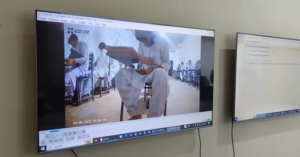
The topic of the scholar’s PhD research was “Development and Evaluation of Thermo-Reversible Subcutaneous and Ophthalmic Drugs Delivery System,” a press statement from the UoP said on Friday. The growing number of diabetic patients, self-medication and frequent use of analgesic drug like diclofenic sodium “is a point of great concern”, said the scholar in his oral defence held at Video Conferencing Hall of the UoP.
He added that the study was conducted to reduce the number of drugs doses, especially for the diabetic patients.
Dr Nasir said that data obtained during his experimental work indicated that thermo-reversible gel formulation was capable of sustaining the release of these drugs. “And the drug delivery systems were smart enough to be used for the administration of insulin, diclofenic sodium and temoral through subcutaneous and ophthalmic routes because of its slow release.”
The patent of insulin polymers for sustained release would soon be achieved at the Department of Pharmacy, after which it could be produced on commercial basis, he revealed. The defence was followed by a series of question-answer sessions from the faculty members, students and supervisors.
Prof Dr Zafar Iqbal, chairman of the Pharmacy Department, was the research supervisor of the scholar while Prof Dr Mir Azam of the University of Malakand served as his external examiner.